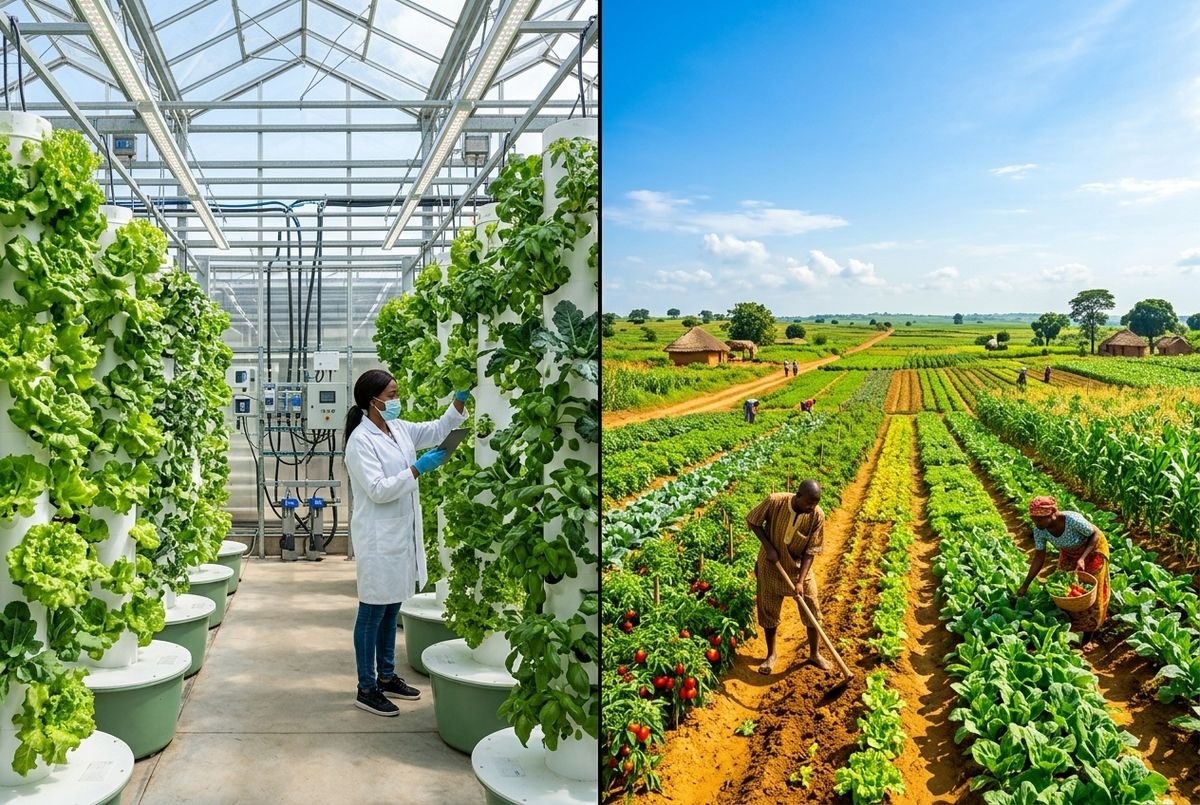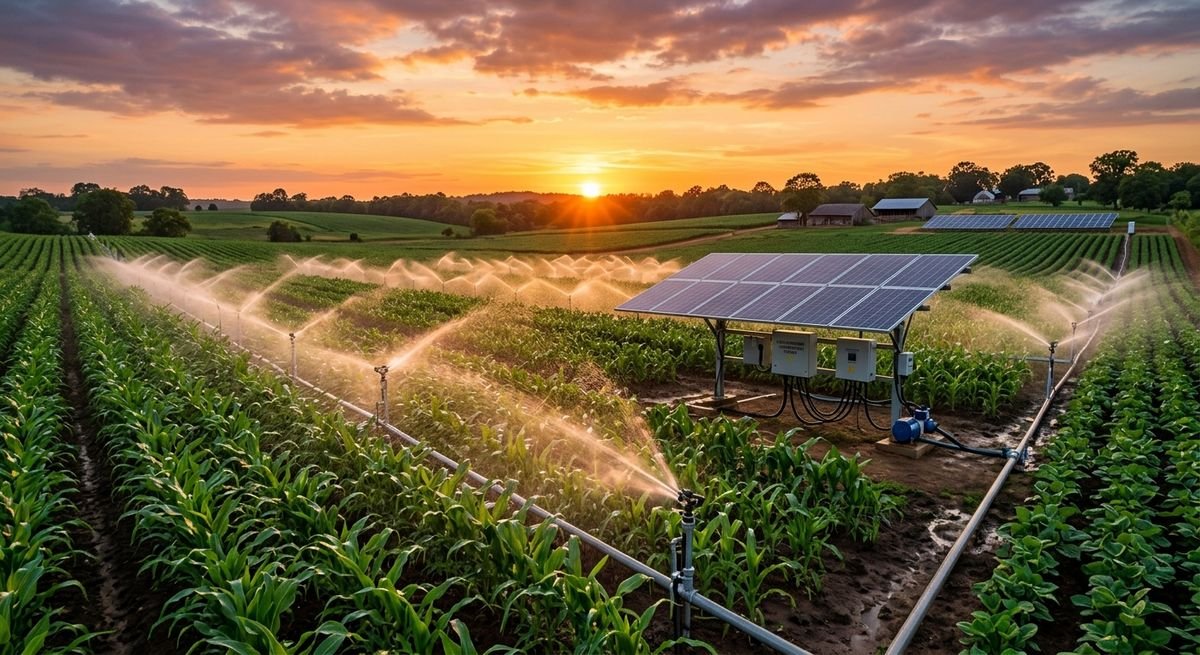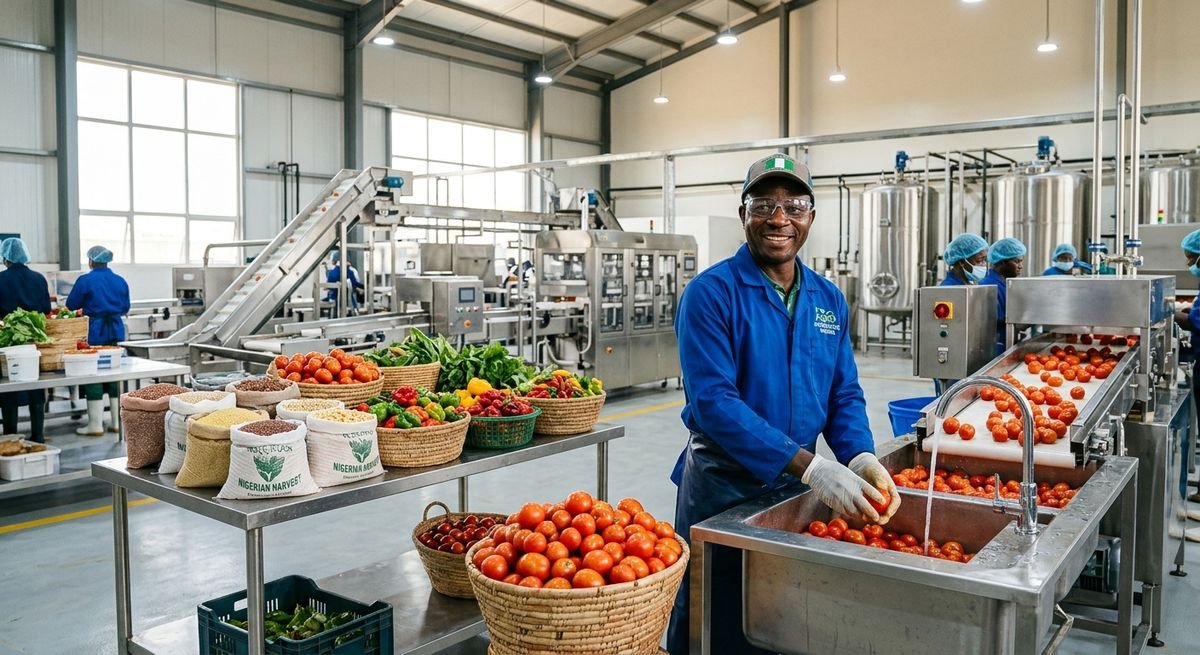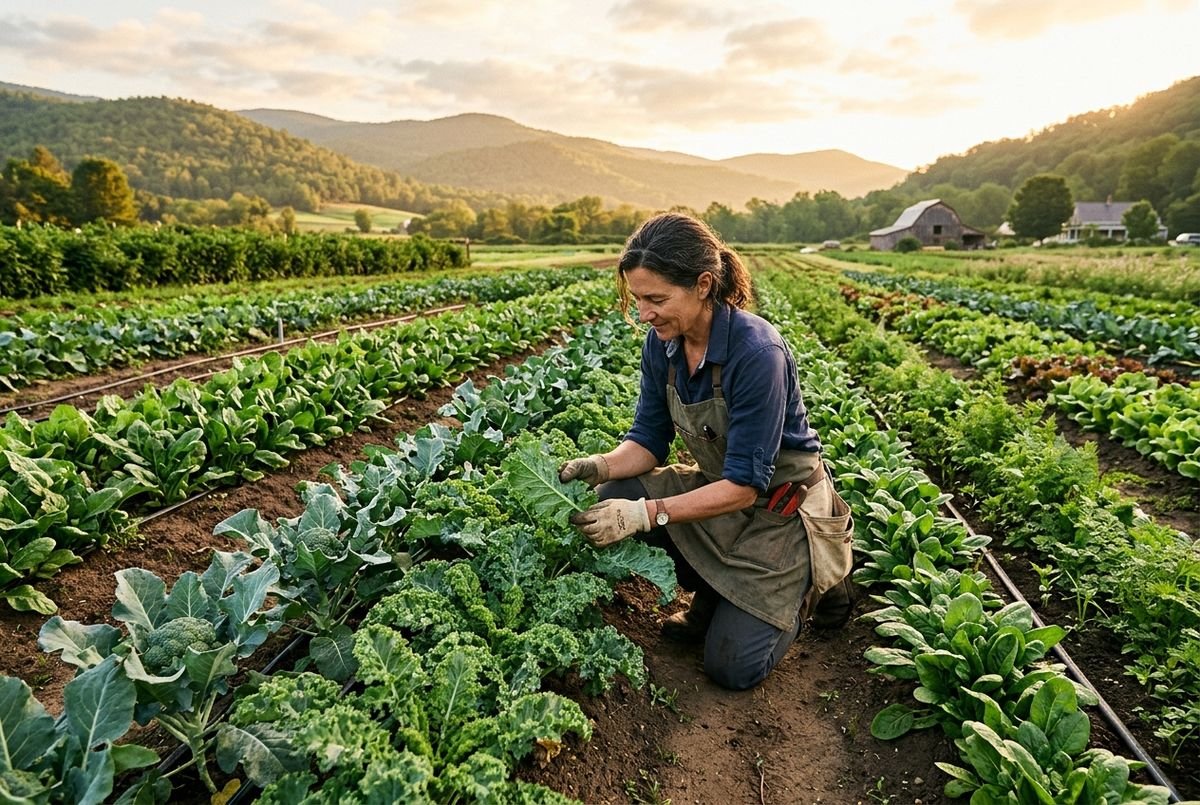
Modern agriculture faces a critical challenge today. Farmers must sustain high yields while reducing their chemical footprint. This goal requires smarter, more sustainable strategies for plant protection. Implementing smart farming methods effectively helps balance productivity with ecological responsibility.
Understanding Smart Farming Methods for Better Yields
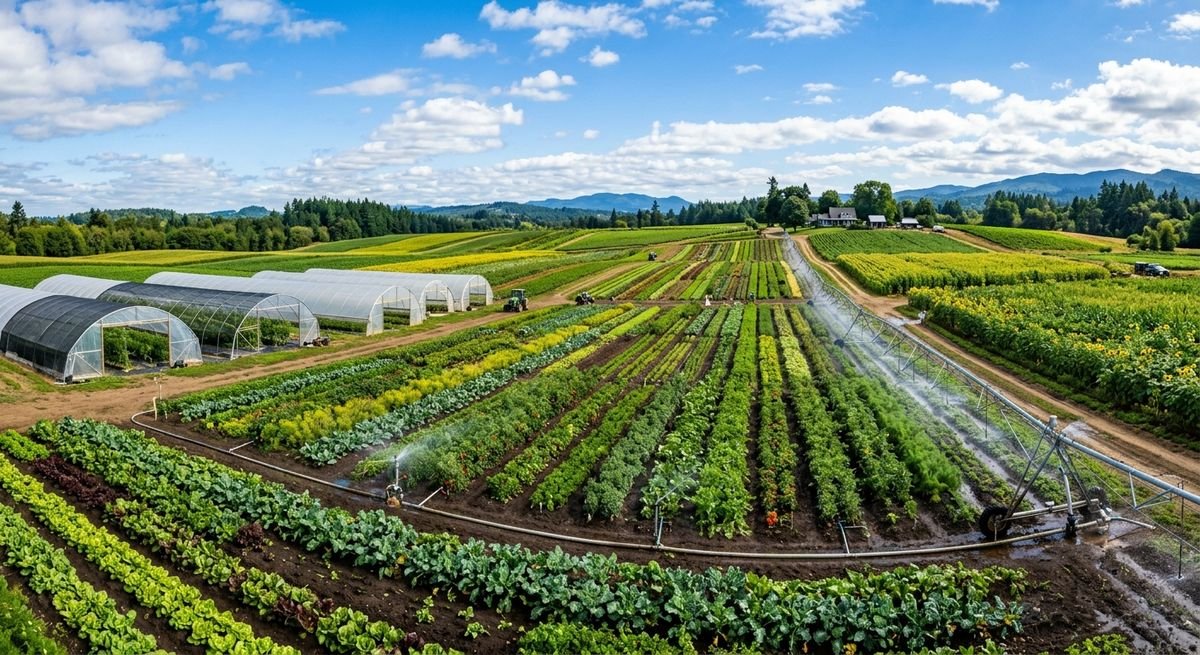
Smart farming methods prioritize biological balance over synthetic intervention. By observing field health closely, you identify potential threats early. Proactive scouting prevents minor issues from becoming major infestations. This approach fosters a resilient ecosystem on your land. Healthy soil supports robust root systems, which inherently resist disease. You can learn more about these practices on our blog page for further insights.
Effective Tactics in Smart Farming Methods
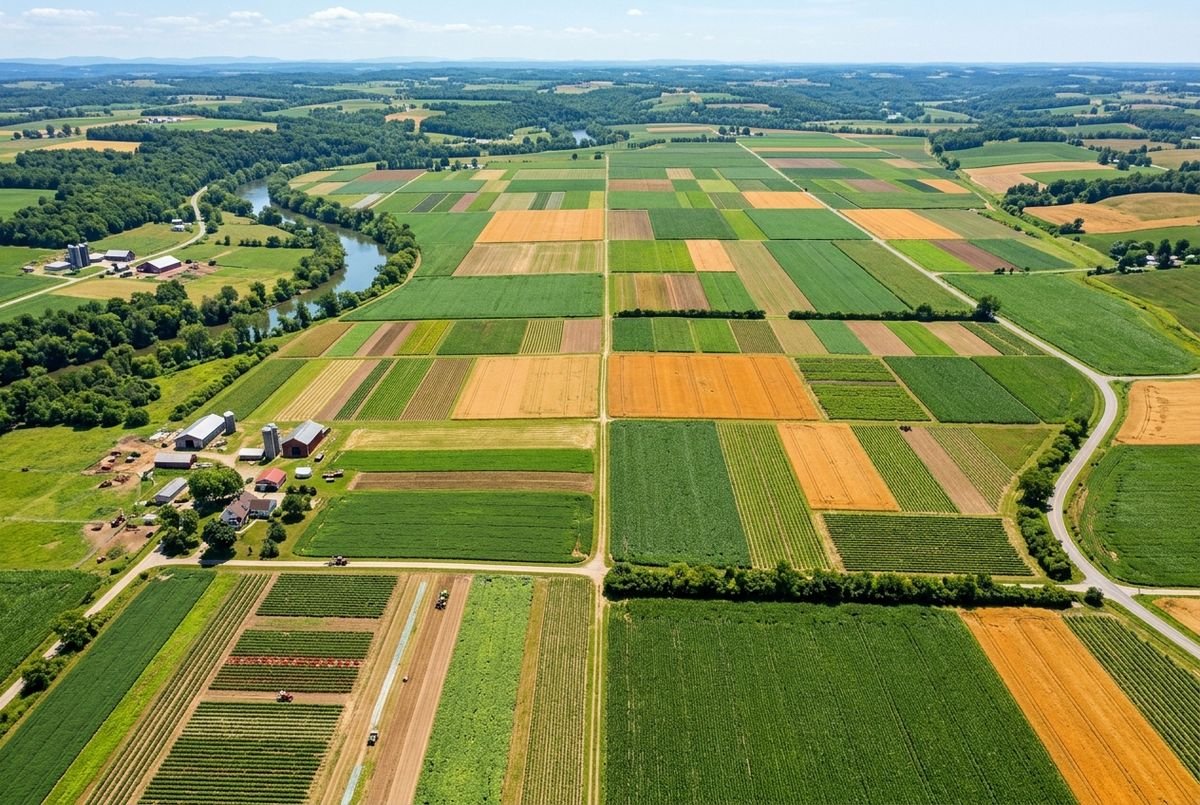
Crop rotation serves as a cornerstone of these strategies. Diverse planting cycles disrupt pest life cycles naturally. Furthermore, introducing beneficial insects creates a natural defense barrier. These biological allies keep harmful populations in check without harsh sprays. Visit the USDA website for additional agricultural resource guidance. Such steps maintain soil fertility while protecting beneficial wildlife habitats. Integrating these techniques ensures long-term land viability.
Maintaining Growth Through Smart Farming Methods
Achieving results demands patience and consistent monitoring. Data-driven decisions allow for precise, targeted actions rather than blanket spraying. This methodology protects both the environment and your bottom line. Farmers often see improved product quality after transitioning. We invite you to contact us to discuss your specific farming needs. Our experts are ready to assist you in optimizing your harvest quality. You may also reach our team via email at info@hillrangefarms.com for technical inquiries. If you prefer a direct conversation, please call +234 802 555 5555 for immediate consultation. Embracing innovation secures the future of your agricultural operations while minimizing harmful chemical reliance.